
Opposition Parties Unite Against Ramaphosa’s Presidency Budget Over Corruption Concerns
Natalie Nyathi
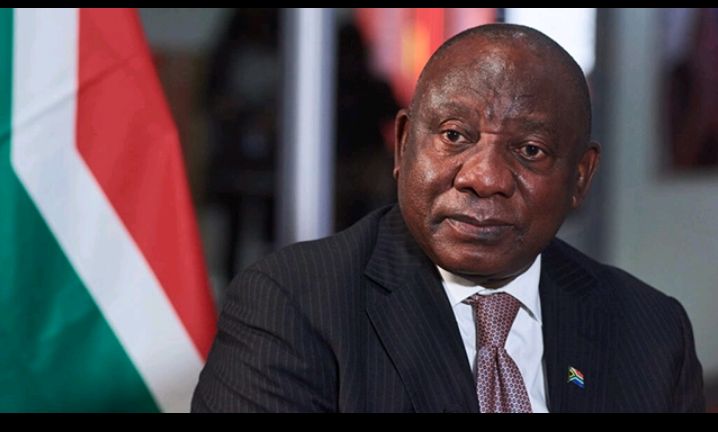
In a heated session in the National Assembly yesterday, President Cyril Ramaphosa faced fierce opposition as various political parties rejected the budget for the Presidency, accusing him of leading a corrupt government. The debate unfolded against a backdrop of serious allegations regarding criminal activity within the police service and growing concerns about the administration’s effectiveness in tackling corruption.
John Hlophe, parliamentary leader of the MK Party, was particularly vocal in his criticism, describing Ramaphosa as “broken beyond repair.” He claimed that the Presidency has become a “fortress” for a conflicted leader, reflecting a broader sentiment among opposition members that the government is failing to uphold its responsibilities to the public.
The Economic Freedom Fighters (EFF) joined in the condemnation, with MP Nontando Nolutshungu labeling the current administration as “rotten from the head.” She expressed concerns that the country is now at the mercy of criminal syndicates and drug cartels, suggesting that the government’s inaction has allowed these entities to thrive.
During the budget presentation, Ramaphosa defended the establishment of various commissions aimed at investigating corruption, asserting the importance of these measures in restoring accountability and public confidence in governance. He acknowledged the seriousness of the allegations against Police Minister Senzo Mchunu, who has been placed on special leave amid claims of misconduct, including links to criminal activities.
However, opposition parties expressed skepticism regarding the effectiveness of these commissions. Critics pointed out that previous inquiries have often failed to yield meaningful results, particularly in terms of holding individuals accountable for corruption. Hlophe and Nolutshungu highlighted the need for decisive action rather than bureaucratic processes that seem to sidestep real issues.
The debate also touched on the broader implications of Ramaphosa’s leadership, with various MPs questioning his commitment to fighting corruption effectively. There are concerns that the President’s actions have not matched his rhetoric, particularly in light of ongoing scandals involving senior officials.
As the session concluded, the rejection of the budget underscored a growing divide in South African politics. Opposition parties are calling for greater accountability and transparency, reflecting deep-seated frustrations within the electorate regarding the government’s handling of corruption and crime.
With the upcoming National Dialogue aimed at addressing pressing issues like unemployment and governance, many are left wondering whether the efforts will lead to tangible change or simply serve as another talking shop without real outcomes.
As Ramaphosa continues to navigate these challenges, the pressure from opposition parties is likely to intensify, demanding more than just words but meaningful action to restore trust in the government.