
Madlanga to Lead Inquiry into Allegations of Criminal Justice Interference
Natalie Nyathi
In a step to address concerns about the integrity of South Africa’s criminal justice system, President Cyril Ramaphosa has appointed a Judicial Commission of Inquiry. This commission will investigate allegations of interference and corruption within law enforcement and the judiciary. This decision follows serious claims made by KwaZulu-Natal Police Commissioner Nhlanhla Mkhwanazi, who suggested that a criminal group might be operating within the system, possibly involving politicians and senior officials.
Mkhwanazi’s allegations were made during a press conference and have raised serious questions about the country’s ability to uphold the rule of law. He claimed that Police Minister Senzo Mchunu was involved in shutting down a task force that was looking into political killings in KwaZulu-Natal. Mkhwanazi also accused certain officials of protecting criminal groups and sabotaging efforts to fight crime. These claims have led to calls for a thorough and transparent investigation to restore public trust in the justice system.
To maintain fairness and continuity in the police ministry, President Ramaphosa has placed Minister Mchunu on special leave. Professor Firoz Cachalia has been appointed as the Acting Police Minister during this period. While the African National Congress (ANC) supports Ramaphosa’s decision, they stress that it does not imply guilt.
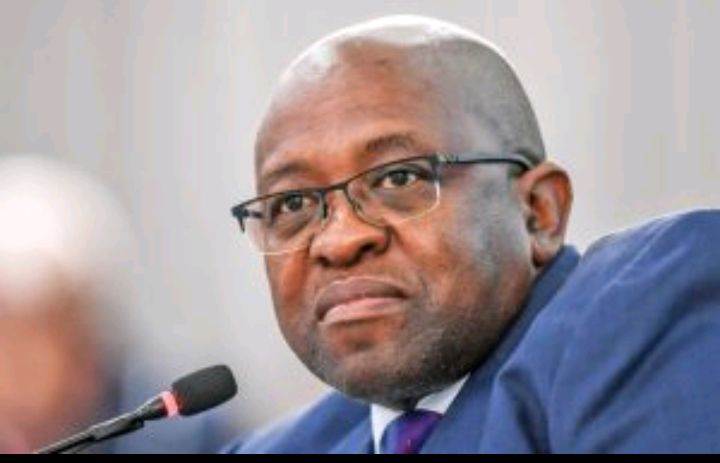
The commission will be led by Acting Deputy Chief Justice Mbuyiseli Madlanga, a respected jurist with a notable career. Justice Madlanga has served on the Constitutional Court of South Africa and has experience leading inquiries into significant issues. He will be assisted by two other advocates. The commission will investigate various allegations, including links between criminal groups and law enforcement, manipulation of investigations, and intimidation of whistle-blowers.
The commission has the power to summon witnesses, require documents, and conduct searches. It will focus on whether criminal groups have influenced institutions like the South African Police Service and the National Prosecuting Authority.
President Ramaphosa has set deadlines for the commission to provide interim findings, with a final report to be submitted to key government leaders. The commission’s work is seen as a vital opportunity to tackle deep-rooted issues of corruption within South Africa’s criminal justice system.
While many welcome the inquiry as a necessary step, some worry about “commission fatigue,” noting that past commissions have sometimes led to limited results. The Umkhonto weSizwe Party has even filed a motion of no confidence against Ramaphosa for not dismissing Mchunu outright.
Despite the mixed reactions, the commission represents an important chance to address the challenges facing South Africa’s criminal justice system. The allegations made by Mkhwanazi, along with rising public concern about crime, have created a sense of urgency. The findings and recommendations from this inquiry will be crucial for the future of law enforcement and justice in South Africa.