
Court to Decide on Ramaphosa’s Actions
Natalie Nyathi
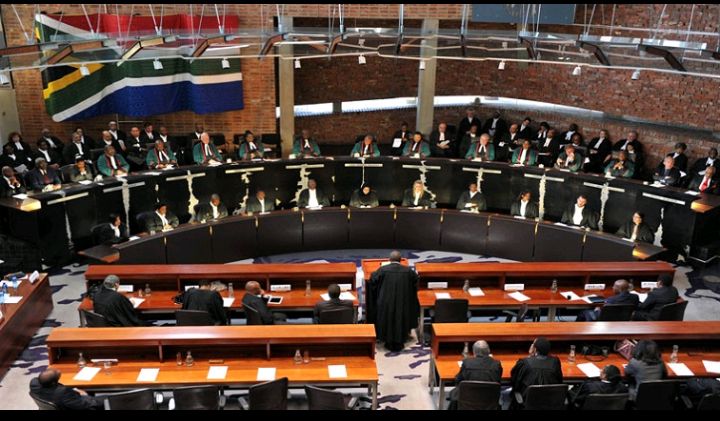
The Constitutional Court of South Africa has reserved judgment on a case involving President Cyril Ramaphosa and allegations made by Police Commissioner Nhlanhla Mkhwanazi. These allegations claim that Minister Senzo Mchunu colluded with criminal groups and interfered in police investigations.
In response to these serious claims, President Ramaphosa placed Minister Mchunu on special leave and appointed Professor Firoz Cachalia as the acting police minister. He also set up a judicial inquiry, led by Acting Deputy Chief Justice Mbuyiseli Madlanga, to investigate the allegations.
The MK Party, which is led by former President Jacob Zuma, challenged Ramaphosa’s decision in court. They argue that instead of placing Mchunu on special leave, the President should have dismissed him completely. They also question the constitutionality of appointing an acting minister who is not already part of the Cabinet. Advocate Dali Mpofu, representing the MK Party, claimed that Ramaphosa overstepped his constitutional authority.
The MK Party also pointed out that the Constitution allows only existing Cabinet members to take on new duties, not someone appointed temporarily. They raised concerns about having a sitting judge oversee an inquiry that involves serious allegations against the judiciary.
In defense, Ramaphosa’s legal team argued that investigating the allegations was necessary for him to make a fair decision about Mchunu’s future. They maintained that the Constitutional Court may not be the right place for this case and that it should first go to the High Court. They warned that allowing such challenges directly in the Constitutional Court could lead to an overload of presidential decisions being questioned in the highest court.
Justice Rammaka Mathopo expressed concerns that acting on unproven allegations could be dangerous. Mchunu defended Ramaphosa’s authority to place him on leave, stating that the power to appoint ministers includes the power to suspend them. He dismissed Mkhwanazi’s allegations as exaggerated and misinformed.
The ruling from the Constitutional Court will be important for understanding the limits of presidential power, the role of judicial inquiries, and how allegations against government officials are handled. The court’s decision is eagerly awaited, as it will clarify the balance between executive authority, due process, and public trust in law enforcement and the justice system.