
A Deeper Dive into Green Hydrogen’s Challenges and Namibia’s Broader Strategy
The recent withdrawal of German power utility RWE from Namibia’s ambitious $10 billion Hyphen green ammonia project has raised concerns in the growing green hydrogen sector. While RWE cited slower-than-anticipated demand in Europe as the primary reason for its exit.
This development highlights the challenges facing green hydrogen projects, particularly in emerging markets like Africa, and prompts a closer examination of Namibia’s overall strategy.
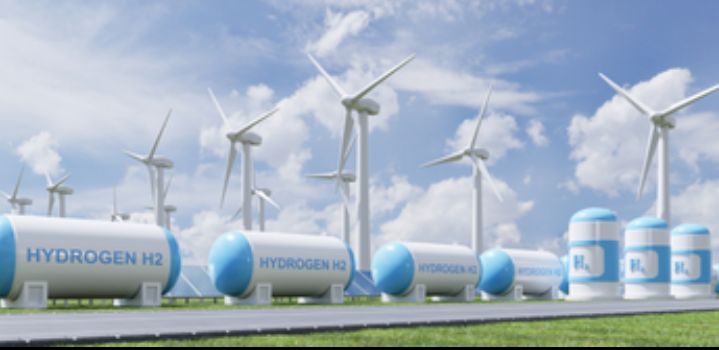
Green hydrogen is produced by splitting water molecules using renewable energy. It holds great promise as a clean energy source and can help reduce carbon emissions in industries like transportation and agriculture. However, there are many challenges to making green hydrogen a viable option. First, producing green hydrogen is still more expensive than traditional methods that use fossil fuels. The costs of the technology, the renewable energy needed, and the infrastructure for storage and transport all add up.
Additionally, the existing infrastructure is often not good enough for transporting hydrogen, and adapting current gas pipelines can be complicated. There is also a lot of uncertainty in the market, which makes it hard to secure long-term agreements for buying hydrogen. This uncertainty can deter investors. Furthermore, the technology for producing green hydrogen is still developing, and improving efficiency and durability is an ongoing effort.
Namibia has chosen to focus on green hydrogen as a key part of its economic growth and climate goals. The country has abundant solar and wind resources that could allow it to become a leader in green hydrogen production. Namibia aims to be a major exporter of green hydrogen, meeting global demand by the end of the decade. The country has set a goal to achieve net-zero emissions by 2050 and has outlined a strategy to attract investment and develop a strong hydrogen industry.
To support its goals, Namibia has formed the Green Hydrogen Council to oversee the development of the sector and has partnered with the European Union to promote green hydrogen initiatives. Namibia has already made strides in this area, with the HyIron’s Oshivela facility starting production of green hydrogen in March 2025. This facility uses a large electrolyzer powered entirely by renewable energy.
However, RWE’s withdrawal from the Hyphen project raises concerns. The project was expected to create thousands of jobs and significantly contribute to Namibia’s economy. Without a major partner like RWE, it may become harder to secure financing and attract other investors, which could slow down progress.
Despite these challenges, Namibia remains committed to its green hydrogen vision. The country is looking for new partnerships and projects to continue developing its hydrogen sector. To succeed, Namibia must create a stable investment climate, develop the necessary infrastructure, support innovation, and secure agreements with buyers.
While RWE’s exit is a setback, it also offers Namibia a chance to refine its approach and strengthen its position in the global green hydrogen market.