
A Focus on Education and Fiscal Reform in South Africa
Natalie Nyathi
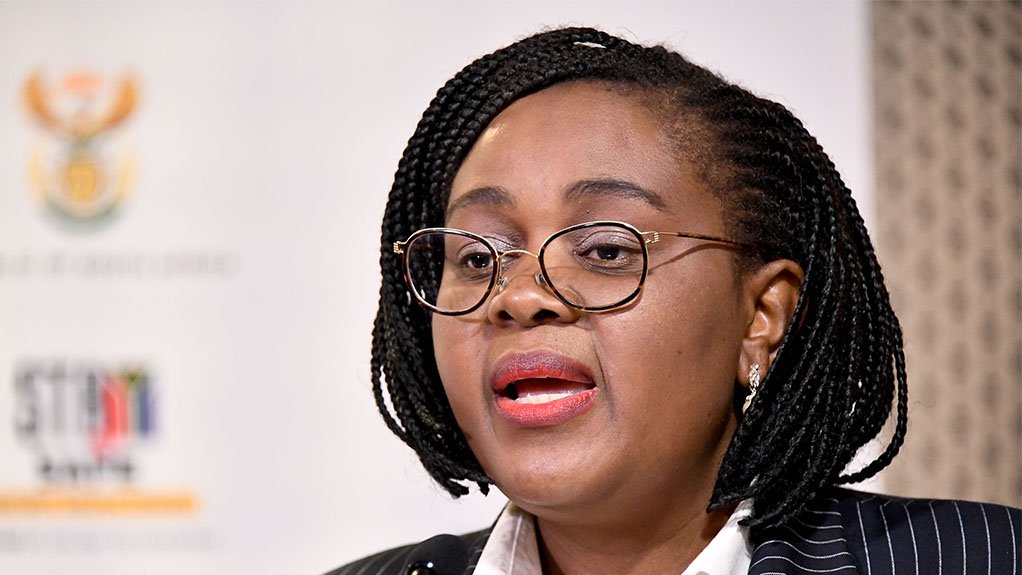
South Africa is facing crucial financial challenges and opportunities for change. The Minister of Basic Education, Siviwe Gwarube, has warned that several Provincial Education Departments might run out of money this financial year. After starting a financial review in 2024, the analysis showed that the education sector is under severe financial pressure due to many years of lack of investment by the national government, repeated use of public funds to help failing state-owned companies, and poor money management at the provincial level.
Gwarube emphasized the urgent need for intervention, stating, “Without urgent intervention and robust financial planning, several Provincial Education Departments risk becoming insolvent.” To tackle these issues, she has directed all MECs and Heads of Provincial Education Departments to work closely with their Provincial Treasuries to create practical financial recovery plans. These plans must ensure every learner’s right to quality education while also restoring financial stability in the sector. All completed plans need to be submitted to the Department of Basic Education by July 21, 2025.
Alongside financial recovery, Gwarube is also looking to improve education standards by reviewing the controversial 30% matric pass mark. She announced plans to form the National Education and Training Council (NETC), which will focus on using evidence-based policies to examine pass requirements and ensure they meet South Africa’s needs. Critics argue that the current pass mark does not help students reach their full potential and contributes to higher dropout rates at universities, where many students find it hard to meet academic expectations.
At the same time, Finance Minister Enoch Godongwana is preparing to present the fiscal framework and revenue proposals for the 2025 budget to Parliament. This framework is important as it outlines how the government plans to collect money, spend it, and manage national debt. Godongwana hopes for a smoother process this time, especially after previous attempts faced significant challenges, including legal disputes over proposed VAT increases. The upcoming discussions in Parliament follow Godongwana’s recent budget presentation, and he faces pressure from opposition parties like the MK Party and the EFF, who oppose the recent increase in the fuel levy.
Parliamentary Spokesperson Moloto Mothapo explained the voting requirements for the fiscal framework’s approval. A third of MPs must be present in the National Assembly, and a majority of those present must support the framework for it to pass. Additionally, at least five provinces must approve it in the National Council of Provinces.
As South Africa deals with these critical issues, the government faces the challenge of addressing immediate financial pressures while also making long-term reforms to stabilize and strengthen the economy. The financial struggles in the education sector and the fiscal framework for the 2025 budget are linked, showing broader issues that need comprehensive solutions.
The path forward for South Africa will need strong leadership, careful planning, and a commitment to being open and accountable. By facing these challenges directly, the country can create a more stable and prosperous future for all its citizens. Minister Gwarube’s commitment to protecting the education system and ensuring every learner’s right to quality education is essential in this effort. Basic education is too important to fail, and the government’s proactive measures are crucial for securing the future of South Africa’s youth.