

Fuel Price Shock: Petrol Breaches R30/Litre
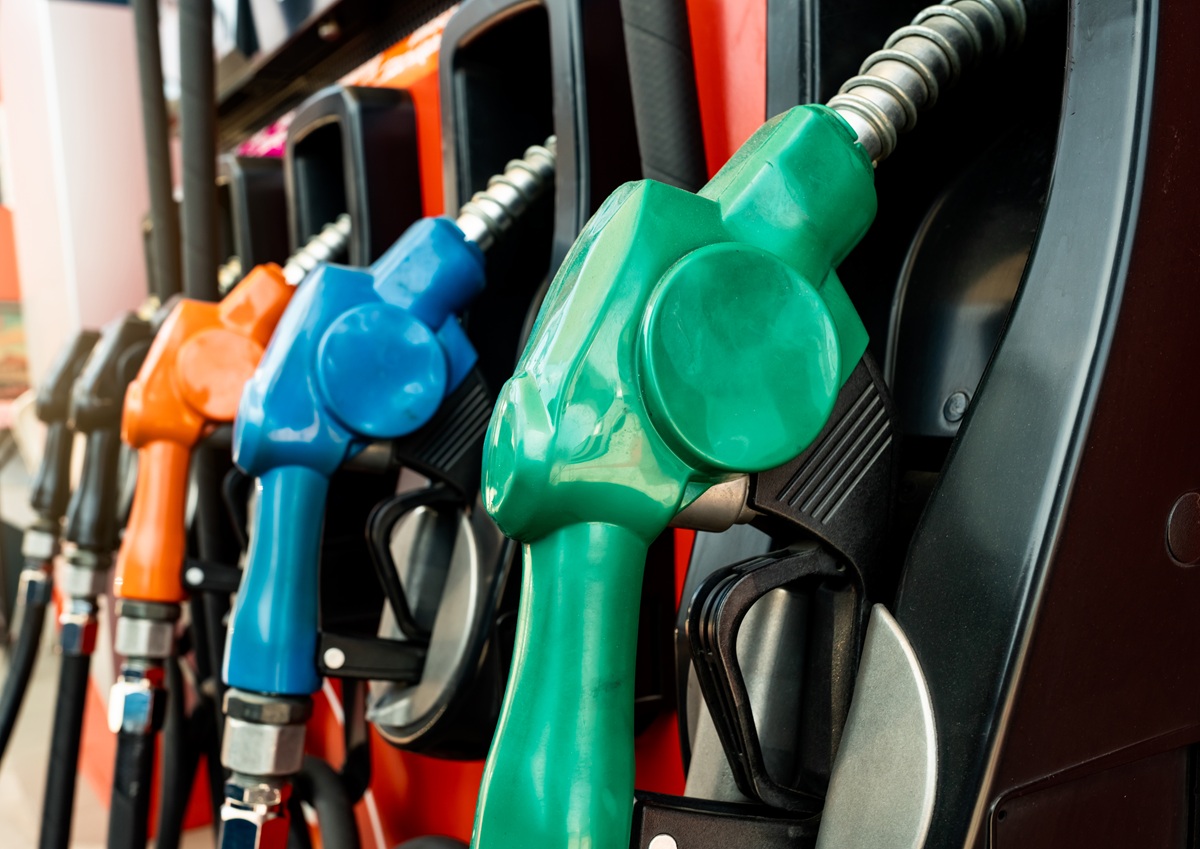
South African consumers are bracing for a record fuel price increase effective Wednesday, with 95-grade petrol set to hit R30.25 per litre in Gauteng—a historic high that breaches the R30 mark for the first time.
The Department of Mineral and Petroleum Resources announced the adjustments on Monday, confirming that petrol prices will rise by R3.12 to R3.33 per litre, while diesel wholesale costs will increase by R2.84 to R3.24 per litre.
RECORD PRICES ACROSS THE BOARD
The increases represent some of the steepest fuel price hikes South Africa has ever experienced. According to the official price schedule, 95 Unleaded petrol will rise to R30.25 in Gauteng and R29.26 at the coast, while 93 Unleaded will reach R29.88 inland.
Diesel prices are equally severe. Wholesale 0.05% sulphur diesel will increase to R31.95 in Gauteng and R31.08 at the coast, while 0.005% sulphur diesel will reach R33.29 inland. Illuminating paraffin will rise by R3.58 per litre.
The increases follow another heavy fuel-price shock in September, when diesel rose by almost R3 per litre.
US-IRAN CONFLICT DRIVES OIL PRICES
The department attributed the increases to the ongoing US-Iran tensions, which have disrupted cargo flows through the Strait of Hormuz and driven Brent crude prices above $100 per barrel. The average Brent crude oil price increased from $87.89 to $101.00 during the review period .
“The increase is due to the continued US/Iran tensions, uncertainty regarding the flow of oil through the Strait of Hormuz, higher shipping costs and decreasing inventories,” the department said.
South Africa’s vulnerability to these global shocks is exacerbated by its declining domestic refining capacity. Azar Jammine, chief economist at Econometrix, noted: “We are an oil importer. Worse than that, we have seen a deterioration in our fuel refining capacity over the last decade, making us even more dependent on imported refined fuels than in the past”.
FREIGHT INDUSTRY WARNS OF KNOCK-ON EFFECTS
The Road Freight Association has warned that while the immediate impact on consumer goods prices may be delayed, the additional costs will filter through within weeks.
“Most of the goods are already at the warehouses, and the trucks have their orders ahead of time. The prices will remain the same until the stock is depleted,” said RFA CEO Gavin Kelly.
However, Kelly cautioned that consumers could start seeing the impact within the next month or so. For smaller freight operators, who buy fuel at forecourts like ordinary motorists, the pinch will be felt immediately. Larger companies often have access to discounted bulk fuel, but even they are not immune.
“Even the large freight companies can find themselves with their backs against the wall,” Kelly said.
Fuel accounts for between 35% and 55% of a transport operation’s operating costs, depending on the vehicles, routes and type of work involved . With more than 80% of land-based freight moving by road, the implications for the broader economy are significant.
CALLS FOR GOVERNMENT INTERVENTION
The steep increases have prompted calls for government intervention. The Motor Industry Staff Association (MISA) has called for a temporary reduction of at least R3 per litre in the General Fuel Levy on petrol and diesel while international oil prices remain elevated.
The Organisation Undoing Tax Abuse (OUTA) has also urged government to reduce the fuel levy, which currently stands at R4.29 per litre. OUTA CEO Wayne Duvenage warned that South Africa’s fuel reserves have dwindled to only two to three weeks of supply, compared with previous levels of up to two or three months.
Labour federation Cosatu described the situation as “not just a fuel price issue” but “a cost-of-living crisis,” noting that workers spend up to 30% of their wages on transport.
INFLATION AND INTEREST RATE RISKS
The fuel shock is expected to feed into consumer inflation, keeping the door open for another interest rate hike by the South African Reserve Bank. The SARB raised its benchmark repo rate by 25 basis points to 7.25% in September, citing inflation risks from the fuel price shock.
Reserve Bank Governor Lesetja Kganyago said large and sustained shocks were more likely to trigger second-round effects, in which individual price changes evolved into widespread increases .
Early indications from the Central Energy Fund point to another R4 per litre under-recovery waiting in the wings for November, suggesting further pain ahead.