
Madlanga Commission Day 2: Mkhwanazi’s Testimony Focuses on Political Interference and Crime Intelligence Abuse
Natalie Nyathi
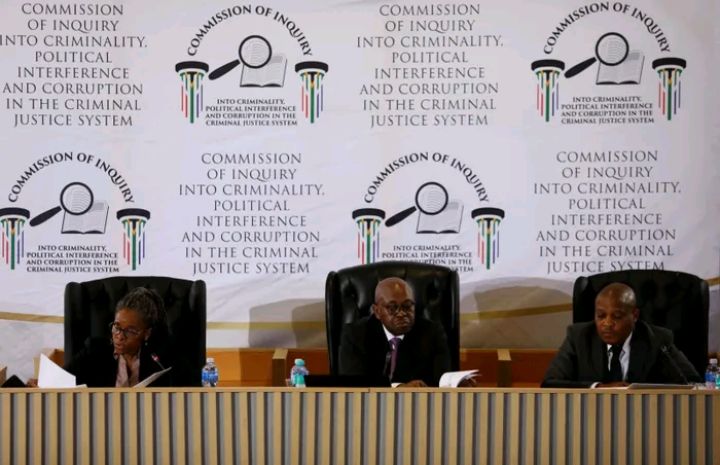
Day two of the Madlanga Commission of Inquiry featured explosive testimony from KwaZulu-Natal Police Commissioner Lieutenant General Nhlanhla Mkhwanazi. He provided critical insights into alleged criminality, political interference, and corruption within the criminal justice system, particularly concerning Crime Intelligence operations.
Mkhwanazi identified DA MP Dianne Kohler Barnard and NCC leader Fadiel Adams as politicians who he claims interfered in Crime Intelligence matters. He accused Barnard of violating legal protocols and inciting attacks on Crime Intelligence, despite being aware that concerns should be raised through the Joint Standing Committee on Intelligence. He stated that such actions put intelligence officers at risk by forcing them into the public domain and potentially exposing classified information. Mkhwanazi also alleged that Adams gained unauthorized access to classified Crime Intelligence information.
A significant aspect of Mkhwanazi’s testimony was his claim that he submitted a detailed affidavit to the Zondo Commission in 2011, while serving as Acting National Commissioner, regarding political manipulation and abuse of Crime Intelligence structures. He expressed frustration that he was never called to testify and noted that the same patterns of abuse exist today. Mkhwanazi warned that a lack of proper oversight could lead to rogue actors leaking or defending classified information publicly, undermining national security and the credibility of law enforcement.
Mkhwanazi also discussed the disbandment of the KwaZulu-Natal Political Killings Task Team, labeling it as senseless. He claimed that Police Minister Senzo Mchunu was pressured into making that decision and stated he had evidence linking Mchunu to crime syndicates. He detailed the origins of the task team and suggested that outside interference had prematurely halted its work. He named North West businessman Suleiman Kareem, alleging that underworld figure Vusimuzi “Cat” Matlala had asked him to intervene with Mchunu.
Expanding on the internal dynamics, Mkhwanazi revealed the existence of factions within the Independent Police Investigative Directorate (IPID) and the Crime Intelligence Division (IDAC). He described how these factions often act counter to one another, leading to a breakdown in effective policing and intelligence operations. This internal strife, he argued, contributes to the overall dysfunction within the police service and hampers efforts to combat organized crime effectively.
Mkhwanazi’s testimony highlights the urgent need for reform within South Africa’s criminal justice system. The Madlanga Commission, established by President Cyril Ramaphosa following Mkhwanazi’s initial allegations in July, aims to investigate collusion and corruption among politicians, senior police officials, prosecutors, intelligence operatives, and members of the judiciary.
The commission has a three-month deadline to deliver its preliminary report, and its hearings have resumed after initial delays related to procuring essential ICT services.