
Mkhwanazi Takes the Stand as Madlanga Commission Launches Inquiry into SAPS Corruption
Natalie Nyathi
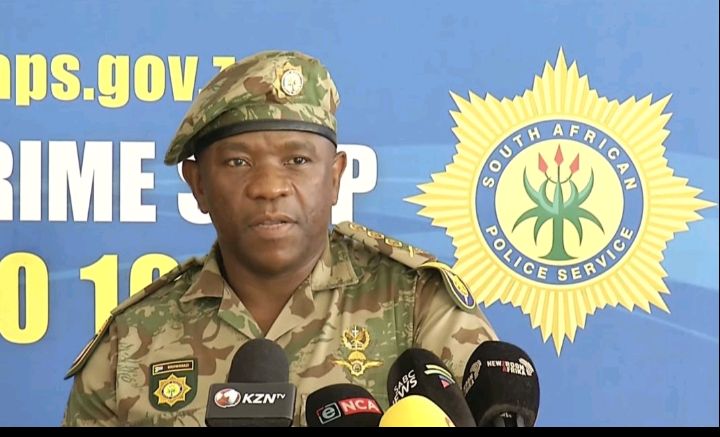
The Madlanga Commission of Inquiry is set to officially commence its public hearings today at 10:00 AM at the Brigitte Mabandla Justice College in Pretoria, marking a crucial moment for South Africa’s criminal justice system. KwaZulu-Natal Police Commissioner Lieutenant General Nhlanhla Mkhwanazi will be the first witness to testify, presenting evidence to support his explosive allegations of corruption, political interference, and criminal infiltration within the South African Police Service (SAPS).
The commission, chaired by retired Constitutional Court Justice Mbuyiseli Madlanga, was established by President Cyril Ramaphosa following Mkhwanazi’s public accusations in July. These allegations implicate senior politicians, police officials, and members of the judiciary in a sophisticated criminal syndicate. The commission’s mandate is to investigate the veracity, scope, and extent of these allegations, and to recommend criminal prosecutions, disciplinary actions, and institutional reforms.
Mkhwanazi’s initial claims include accusations against Police Minister Senzo Mchunu, alleging political interference and links to criminal elements. He states that Mchunu played a role in dismantling a task team investigating political killings in KwaZulu-Natal (KZN) to protect his associates. Mkhwanazi also accuses Deputy National Commissioner Shadrack Sibiya of orchestrating the removal of 121 case dockets from the political killings task team, effectively stalling investigations.
These allegations have led to Mchunu being placed on special leave and Sibiya’s suspension, underscoring the severity of the accusations and their potential impact on the integrity of the SAPS. Mchunu has denied the allegations, expressing his willingness to testify before the commission to clear his name. Sibiya has also refuted the claims.
The Madlanga Commission has been allocated a budget of R147.9 million to carry out its investigation. The proceedings are scheduled to take place at the Brigitte Mabandla Justice College in Pretoria. Due to the sensitive nature of the inquiry and the high-profile individuals involved, strict security measures will be implemented. Public access to the hearings will be limited to 300 seats on a first-come, first-served basis.
The commission’s spokesperson, Jeremy Michaels, emphasizes the importance of the commission’s work for the safety and security of all South Africans. He notes that the allegations center around criminal syndicates and drug cartels infiltrating and improperly influencing decision-making within the SAPS.
Legal analyst Sunil Singh describes Mkhwanazi’s testimony as crucial for uncovering the truth and substantiating his allegations under oath. Mkhwanazi is expected to testify for three to four days, presenting detailed evidence to support his claims. Following Mkhwanazi’s testimony, a list of other witnesses will be called to the stand, though their identities will remain confidential due to security concerns.
The Madlanga Commission has broad investigatory powers, including the ability to summon witnesses, compel the production of documents, and conduct search and seizure operations. The commission can also deviate from the Commissions Act to hold closed-door sessions to protect witnesses and ongoing investigations.
The commission’s terms of reference include investigating the infiltration of law enforcement, intelligence, and associated institutions within the criminal justice system by criminal syndicates. It will also examine the nature, extent, and consequences of such infiltration, including the facilitation of organized crime, suppression or manipulation of investigations, and inducement of law enforcement leadership into corruption.
The commission is expected to submit an interim report within three months and a final report within six months, including recommendations for criminal prosecutions, disciplinary actions, and institutional reforms. The commission also has the power to refer matters for immediate criminal investigation and urgent decisions on prosecution.
As the Madlanga Commission commences its work today, all eyes are on Mkhwanazi as he prepares to lay bare his allegations of corruption and political interference within the SAPS. The outcome of this inquiry could have far-reaching implications for the future of law enforcement in South Africa and the restoration of public trust in the criminal justice system.