
Unions Slam Police Commissioner’s Claims Linking Wage Demands to Workforce Shortages and Crime
Unions Slam Police Commissioner’s Claims Linking Wage Demands to Workforce Shortages and Crime
Natalie Nyathi
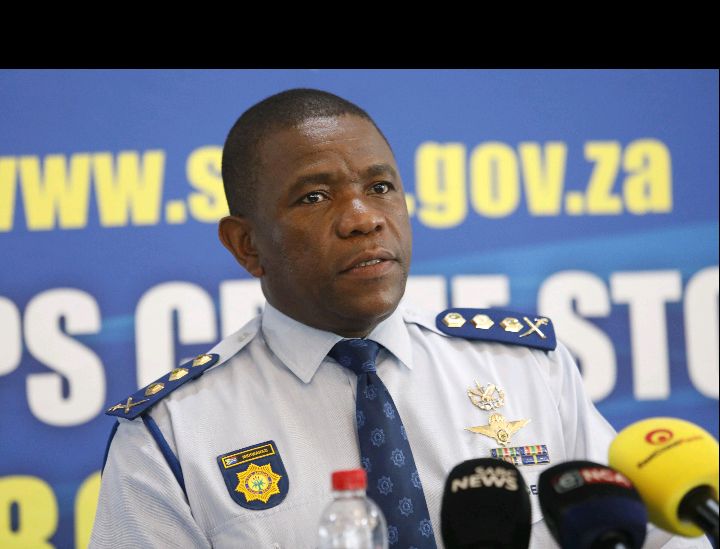
KwaZulu-Natal Police Commissioner Lieutenant General Nhlanhla Mkhwanazi is facing strong criticism from trade unions after suggesting that union demands for higher wages contribute to police workforce shortages, ultimately impacting crime rates. Mkhwanazi’s comments, made during a stakeholder engagement on crime prevention with Premier Thami Ntuli, have been labeled as “misplaced” and “out of context” by union leaders, who argue that the real issues lie in government austerity measures and budget cuts.
Mkhwanazi stated that increasing salary demands from unions limit the government’s ability to hire additional police officers. He linked these wage pressures to rising unemployment and fewer police appointments, arguing that they hinder the expansion of the police force. He noted that the police budget has decreased, further exacerbating personnel shortages, and mentioned that the number of police officers in KwaZulu-Natal has decreased while the population has increased.
However, unions have vehemently rejected Mkhwanazi’s claims. Edwin Mkhize, the provincial secretary for Cosatu KZN, acknowledged Mkhwanazi’s work in combating crime but argued that the staffing crisis is not the fault of unions. Instead, Mkhize pointed to “neoliberal austerity measures” as the primary cause, leading to hiring freezes despite growing service demands. He emphasized that workers are not “too expensive,” highlighting that the labor share of national income has declined while the profits of large businesses have risen.
The Federation of Unions of South Africa (FEDUSA) echoed these sentiments, stating that South Africa’s unemployment crisis is a direct result of “poor governance, collapsing infrastructure, load shedding, corruption, and years of austerity,” rather than union wage demands. They accused Mkhwanazi of misleading the public and diverting attention away from government failures.
The Independent Policing Union of South Africa (IPUSA) also firmly rejected Mkhwanazi’s assertion, emphasizing that workers’ rights to fair wages and safe working conditions are essential for a functional labor system. They pointed to “chronic budgetary constraints, underinvestment in essential services, and unfilled funded posts” as the real barriers to effective policing. IPUSA further noted the persistent issues of corruption and abuse of power within the SAPS, which undermine its effectiveness.
The unions’ strong rebuke of Mkhwanazi’s claims highlights the ongoing debate surrounding the causes of workforce shortages and the challenges facing the South African Police Service. While Mkhwanazi emphasizes the impact of wage demands on hiring capacity, unions argue that broader economic policies and government priorities are to blame. They advocate for increased investment in public services and a reevaluation of austerity measures to address the root causes of both unemployment and the strain on the police force.