
Helen Zille Contemplates Tshwane Mayoral Run
Natalie Nyathi
As the City of Tshwane prepares to elect a new mayor, Democratic Alliance (DA) federal chairperson Helen Zille maintains her stance that the Government of National Unity (GNU) operates more like a grand coalition than a genuine collaborative government. This assertion comes on the heels of significant political turmoil in Tshwane, following the removal of DA mayor Cilliers Brink through a motion of no confidence, driven largely by public dissatisfaction over service delivery, particularly in township areas.
Tshwane has experienced considerable instability, with six mayors in just as many years. The recent political upheaval, marked by Brink’s ousting, underscores the urgent need for effective governance in a city grappling with infrastructure collapse, electricity shortages, and rising crime rates. As residents voice their frustrations, the DA is eager to capitalize on this opportunity to regain control of the mayoral office.
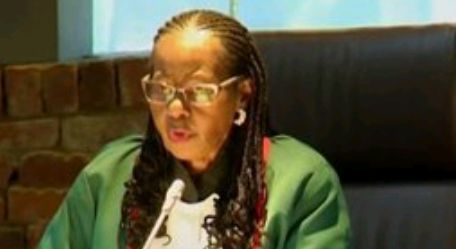
Zille has confirmed that she is actively pursuing the DA’s candidacy for the Tshwane mayoral seat, signaling her commitment to addressing the city’s pressing challenges. Her experience as a seasoned politician, having previously served as the DA leader and the Premier of the Western Cape, positions her as a formidable candidate capable of navigating the complexities of municipal governance.
In a recent interview with eNCA, Zille articulated her view that the GNU, while framed as a coalition, lacks the inclusivity necessary for a true grand coalition. She argued that for the GNU to be considered genuine, it would need to include all significant parties above a certain electoral threshold, such as the MK Party and the Economic Freedom Fighters (EFF). Instead, Zille contends that the current structure primarily benefits the ANC and DA, whose departures would lead to the government’s collapse .
Zille has previously described the GNU as a strategic maneuver by President Cyril Ramaphosa to package coalition politics in a more palatable form for his party. The ANC has responded forcefully to these claims, asserting its leadership role within the GNU and dismissing any challenges to its authority.
The fallout from Brink’s removal could strain the relationship between the DA and the ANC at the national level, as Zille indicated in earlier comments. The DA is now focused on the upcoming mayoral election, which will take place on Wednesday, and aims to regain its footing in Tshwane, where it previously enjoyed electoral success.
Zille’s potential candidacy is seen as a vital step in addressing the myriad challenges facing the city. She emphasizes the need for effective local governance to restore public trust and improve service delivery. As she gears up for the election, Zille has articulated a vision for a revitalized Tshwane, addressing the decay in infrastructure and the urgent need for better public services.
In her discussions, Zille has pointed out that improving the city will require a long-term commitment to tackling corruption and restoring accountability in government. She has highlighted that the city’s infrastructure, including critical services like water and electricity, has suffered from years of neglect and mismanagement.
As the election approaches, all eyes are on Tshwane, where the political stakes are high. Helen Zille’s potential candidacy symbolizes a critical moment not just for the DA, but for the future governance of the capital. With the city facing significant challenges, the outcome of this election could shape the political landscape in South Africa and influence the direction of the GNU amid ongoing debates about its legitimacy and effectiveness.