
Deadline Set by ConCourt in MK Party’s Challenge Over Mchunu
Natalie Nyathi
Chief Justice Mandisa Maya has set a deadline for responses to the uMkhonto weSizwe (MK) party’s application in the Constitutional Court about Police Minister Senzo Mchunu being placed on special leave. This legal challenge comes amid serious corruption allegations against Mchunu, raising important questions about accountability in South Africa.
President Cyril Ramaphosa put Mchunu on special leave after General Nhlanhla Mkhwanazi, the KwaZulu-Natal provincial commissioner, claimed that Mchunu received money from a businessman involved in corruption to support his political activities. Mkhwanazi also said Mchunu played a role in shutting down a task force that was investigating political killings in the province.
Mchunu has denied all allegations and is ready to defend himself in the judicial commission of inquiry set up by Ramaphosa to look into the matter. Ramaphosa initially appointed law professor Firoz Cachalia as acting police minister, but later named Minister of Mineral Resources and Energy Gwede Mantashe to fill the role temporarily until Cachalia formally takes over. This appointment has faced criticism, with some questioning its legality.
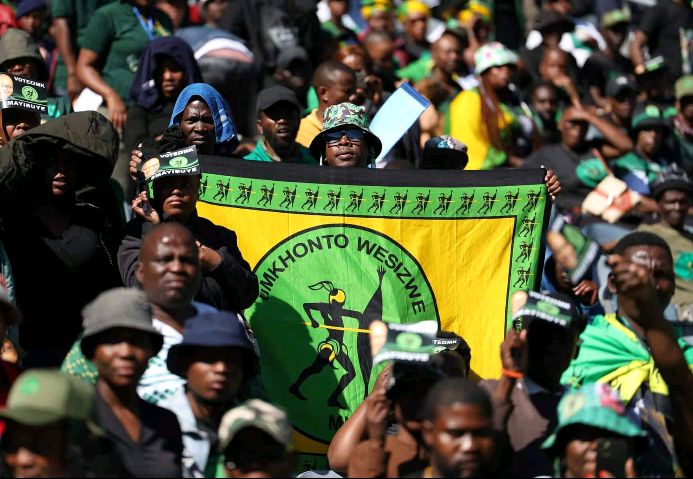
The MK party is challenging Ramaphosa’s decision, arguing that placing Mchunu on leave and appointing Cachalia were not justified and went against constitutional duties. The MK party has also called for Ramaphosa’s resignation, which he did not meet.
Chief Justice Maya’s directives set a deadline of July 22, 2025, for those opposing the application to submit their responses. Parties wishing to support the MK must file by July 21, 2025.
The MK party sees this legal action as crucial for holding the government accountable and restoring public trust. They believe a favorable ruling could help them gain support from voters frustrated by corruption. If their demands are not met, the MK party has said they will pursue a motion of no confidence in Parliament and organize mass protests.
Public opinion on the case is mixed, with some people frustrated by political gamesmanship, while others want thorough investigations into the allegations. As the case moves forward, it could have lasting effects on South Africa’s political scene and the trust in its institutions.
The Constitutional Court’s handling of this case will be closely watched, as its ruling could set important precedents for future legal challenges involving political leaders and presidential powers.
Firoz Cachalia, the acting Police Minister, is a lawyer and politician who has previously served as a member of the Gauteng Executive Council. He also chairs the National Anti-Corruption Advisory Council.