
Mantashe: ANCE Must Draw On GNU Experience for Coalitions
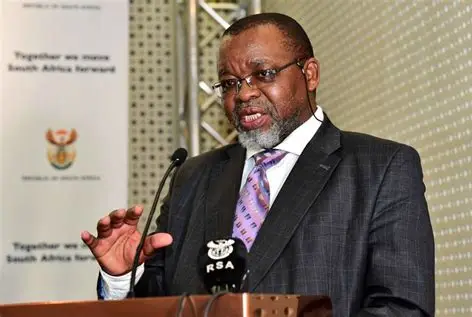
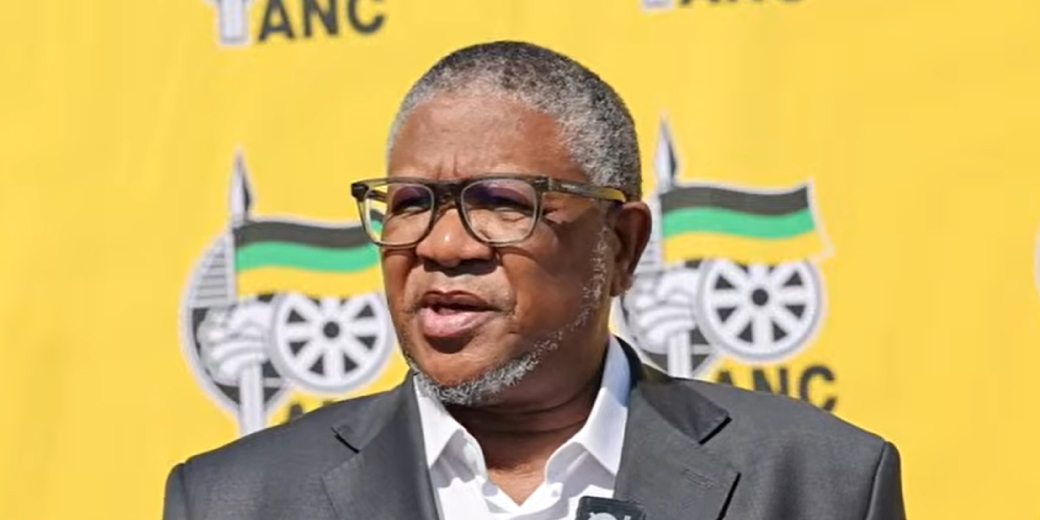
ANC chairperson Gwede Mantashe has acknowledged that the party must be prepared to work with other political parties where it fails to secure an outright majority, saying the ANC will draw on its experience in the national Government of National Unity (GNU) to navigate potential coalition talks.
His comments come as early election results in Gauteng suggest the ANC is facing significant losses, with the party potentially losing control of Johannesburg and other key municipalities.
LEARNING FROM THE GNU
Speaking to the media as vote counting continued across the country, Mantashe said the ANC’s experience in the national GNU, formed after the 2024 general elections, has prepared it for the complexities of coalition politics.
“We have been in a Government of National Unity at a national level. We have learned how to work with other parties, how to manage differences, and how to prioritize the interests of the country,” Mantashe said.
He said the party would approach local coalition negotiations with the same pragmatic mindset, focusing on stability and service delivery rather than political point-scoring.
A WARNING ON DISCREDITING THE IEC
Mantashe also issued a sharp warning to ANC members against discrediting the Independent Electoral Commission (IEC), saying that undermining the credibility of the electoral body would have “long-lasting consequences” for South Africa’s democracy.
“Those who seek to discredit the IEC must know that they are playing with fire. The IEC is a constitutional institution. If we destroy its credibility, we destroy the foundation of our democracy,” he said.
His warning follows scattered complaints from various parties about the voting process, though the IEC has maintained that the elections were largely free and fair.
EARLY RESULTS PAINT GRIM PICTURE FOR ANC
The ANC’s willingness to discuss coalitions comes as early results show the party trailing significantly in Gauteng.
With a small percentage of votes counted, the DA was leading with over 40% of valid votes in the province, while the ANC sat at just under 19%. ActionSA was polling at around 15%.
While these early figures are not final and may shift as more votes are counted, they signal a dramatic shift in voter sentiment, particularly in urban areas like Johannesburg and Soweto, where service delivery failures have dominated the campaign.
WHAT THIS MEANS FOR SOWETO
For Soweto residents, the prospect of a coalition government means uncertainty.
Will a DA-led coalition prioritize the township’s water crisis? Will an ANC coalition partner with the EFF to push through radical policies? Or will the city be plunged into months of political instability, leaving the taps dry and the streets dirty?
Those are the questions residents will be asking as the final results are announced in the coming days.