
MK Party Claims Political Targeting
Natalie Nyathi
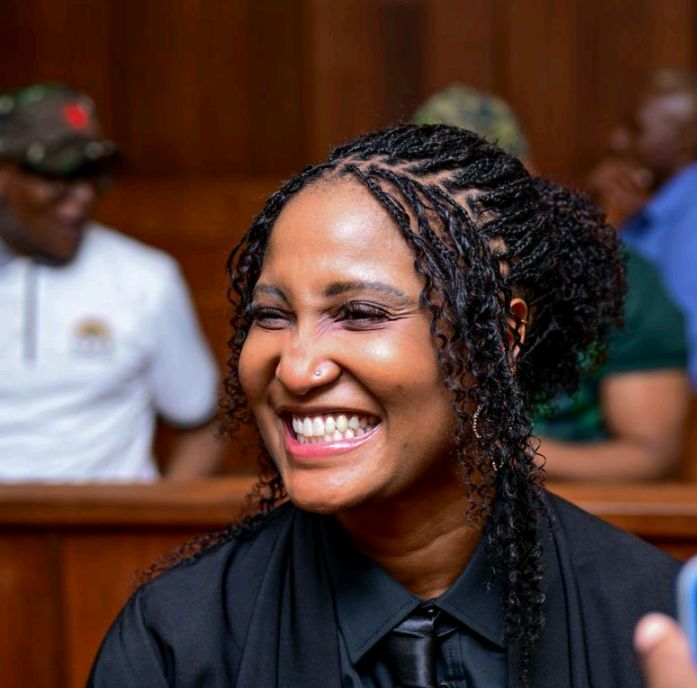
Duduzile Zuma-Sambudla, a member of Parliament for the uMkhonto weSizwe (MK) Party and daughter of former President Jacob Zuma, is currently on trial in the Durban High Court.
She faces charges of inciting violence and terrorism related to social media posts she made during the July 2021 unrest in South Africa. The MK Party, along with Zuma-Sambudla herself, claims that these charges are politically motivated.
The state alleges that Zuma-Sambudla’s social media activity played a key role in encouraging the widespread looting and violence that took place in July 2021. These events, which followed the imprisonment of her father, Jacob Zuma, for contempt of court, resulted in the deaths of over 300 people and caused significant economic damage. Specifically, she is charged with incitement to commit terrorism, incitement to commit violence, and violating the Riotous Assemblies Act. The prosecution highlights posts with captions such as “We see you,” arguing they were intended to fuel the unrest.
Zuma-Sambudla has pleaded not guilty to all charges. Her defense team argues that she is being unfairly targeted because of her family connections and that her social media posts were misinterpreted. They also point out that others who shared similar content have not faced prosecution.
The MK Party strongly supports Zuma-Sambudla, accusing the state of wasting resources on a weak case. A spokesperson for the party, Nhlamulo Ndhlela, stated that the charges were “trumped up” and that the prosecution is a politically motivated attempt to damage Zuma-Sambudla and her father. The MK Party views the trial as part of a broader pattern of political persecution against the Zuma family.
The July 2021 unrest was a period of widespread violence and looting that occurred primarily in the KwaZulu-Natal and Gauteng provinces of South Africa. Sparked by the imprisonment of Jacob Zuma, the unrest quickly escalated, fueled by existing socio-economic issues such as inequality and unemployment. The events exposed deep divisions within South African society and raised questions about the country’s stability.
While the South African Human Rights Commission found the unrest was orchestrated, they could not directly link it to Zuma’s arrest.
The trial takes place against a backdrop of ongoing political tensions in South Africa. Jacob Zuma, after leaving the African National Congress, formed the MK Party in 2023. Zuma-Sambudla has become a key figure in the MK Party, further intertwining her legal battles with the country’s political landscape.
The case has drawn considerable public attention, with supporters of Zuma and the MK Party rallying in support of Zuma-Sambudla. The trial is expected to continue for several weeks and its outcome could have significant implications for South African politics and the regulation of social media during times of unrest.