
Ramaphosa Responds as Trump Blocks South Africa from G20 and Cuts Funding
Natalie Nyathi
In a major escalation of tensions, U.S. President Donald Trump announced on November 26, 2025, that South Africa will be barred from attending the 2026 G20 summit in Miami. He also stated that all U.S. financial aid to the country would be halted. This announcement came after South Africa refused to hand over the G20 presidency during the recent summit in Johannesburg.
Trump made his claims on social media, accusing South Africa of ignoring human rights abuses against white Afrikaners, saying they are being killed and losing their farms. These allegations have been widely dismissed as false and misleading. He said that because of South Africa’s actions, the U.S. would not invite the country to the G20 and would stop all financial support.
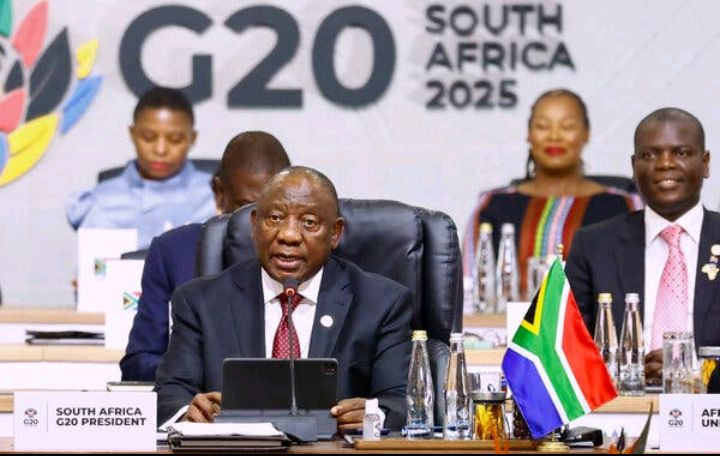
In response, President Cyril Ramaphosa’s administration defended South Africa’s position. Ramaphosa’s spokesperson, Vincent Magwenya, pointed out that South Africa has a strong record on human rights for all its citizens. He described Trump’s claims as unfortunate and based on misinformation. The South African government firmly rejected the accusations, saying they overlook the country’s efforts to overcome its past of apartheid. Magwenya emphasized that “South Africa respects the rights of all its citizens and doesn’t accept insults regarding its status in the international community.”
Magwenya also clarified that the handover of the G20 presidency was done according to the rules. He noted that the U.S. was invited to the ceremony but chose not to attend, which undermines their complaints about the process. Ramaphosa’s government reaffirmed its commitment to working effectively within the G20, urging all member countries to cooperate.
Trump’s decision to block South Africa from the G20 and cut financial support could have major consequences. This move deepens the already strained relationship between the U.S. and South Africa. South Africa has played an important role in African diplomacy, and Trump’s actions could push other nations away. Cutting financial aid might hurt initiatives in sectors like public health and education, where U.S. support has been critical.
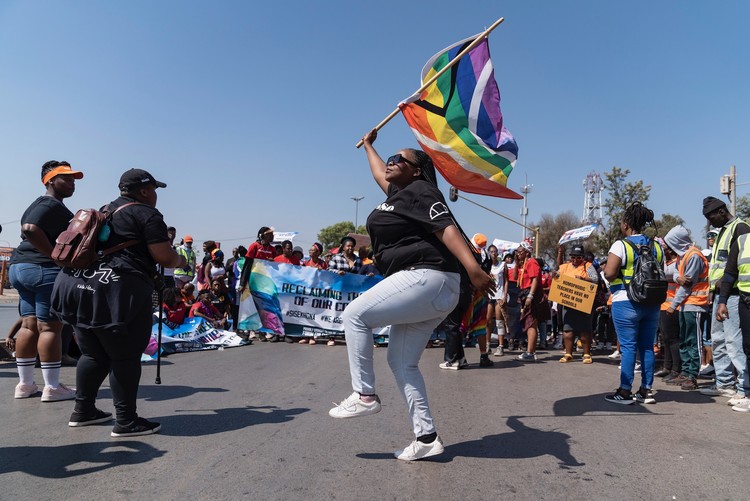
The ongoing tensions come from long-standing issues related to land reform and racial discrimination. Trump’s talk of “white genocide” has faced heavy criticism for being exaggerated and misleading, as violence impacts all communities in South Africa. South Africa’s efforts to address historical injustices have also drawn criticism from various quarters.