
U.S. and South Africa Clash Over Detained Officials and Deported Kenyans
U.S. and South Africa Clash Over Detained Officials and Deported Kenyans
Natalie Nyathi
Diplomatic relations between the United States and South Africa have sharply deteriorated following South Africa’s deportation of seven Kenyan nationals and the alleged harassment of U.S. officials.
The situation stems from a South African operation at a Johannesburg facility processing refugee applications for Afrikaners seeking asylum in the U.S., a program championed by the Trump administration.
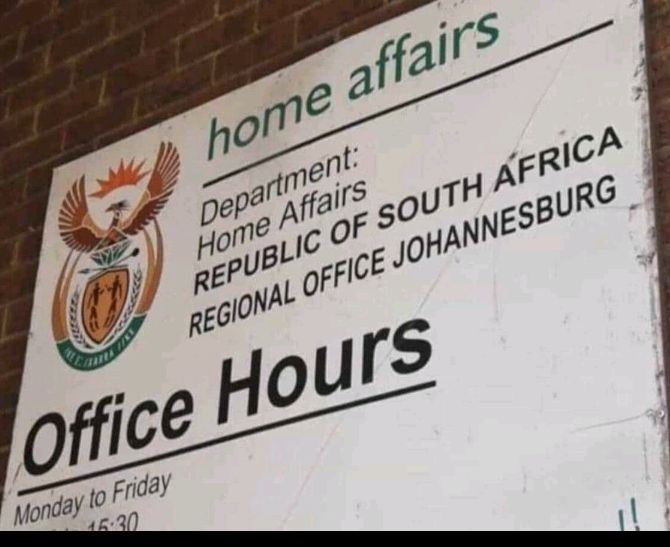
On December 17, 2025, South African authorities conducted a raid on a facility in Johannesburg. The Department of Home Affairs (DHA) stated that seven Kenyan nationals were arrested for violating immigration laws by working without proper permits, as they entered the country on tourist visas. South Africa maintains that the operation was lawful and targeted suspected violations of immigration law. The arrested Kenyans are to be deported and banned from re-entry into South Africa for five years.
The U.S. State Department condemned South Africa’s actions, alleging that U.S. officials were briefly detained during the raid. Furthermore, the U.S. accused South Africa of “doxing,” claiming that the passport information of U.S. officials was publicly released, constituting “an unacceptable form of harassment.” The U.S. Embassy in Pretoria issued a strong statement, asserting that these actions were an attempt to intimidate U.S. government personnel and threatened “severe consequences” if South Africa failed to hold those responsible accountable. Tommy Pigott, a U.S. State Department deputy spokesperson, insisted that interfering in U.S. refugee operations was “unacceptable” and that the U.S. expected “full cooperation and accountability.”
South Africa has refuted the U.S. allegations. The Department of International Relations and Cooperation (DIRCO) stated that the deportation of the Kenyan nationals was conducted in strict accordance with South African immigration law. DIRCO also addressed the allegation of leaked personal information, calling it “unsubstantiated” and rejecting any suggestion of state involvement. South Africa has initiated formal diplomatic engagements with both the United States and Kenya to resolve the matter, emphasizing a commitment to “principled and transparent diplomacy.” They maintain that no U.S. officials were arrested and that the operation was not conducted at a diplomatic site.
This recent clash is symptomatic of a broader deterioration in U.S.-South Africa relations. The Trump administration has repeatedly criticized South Africa’s domestic policies, particularly regarding land redistribution and the treatment of Afrikaners. Trump’s administration claims that Afrikaners are victims of discrimination and even “genocide,” allegations that the South African government strongly denies. These claims have fueled racial divisions and debates.
The U.S. has also expressed concerns over South Africa’s foreign policy, including its close ties with Russia, China, and Iran, as well as its stance on Israel and the Palestinian issue. These tensions have led to measures such as the imposition of tariffs on South African exports and the pausing of U.S. aid.
The dispute is further complicated by the U.S. decision to prioritize Afrikaners for refugee status, citing claims of persecution. This has been a point of contention, with South Africa rejecting the U.S.’s claims of persecution and asserting that its land reform policies are aimed at addressing apartheid-era inequalities. The U.S. has significantly reduced its overall refugee intake but is prioritizing Afrikaners, who are mostly descendants of Dutch and French settlers.
The current diplomatic crisis could have significant consequences for U.S.-South Africa relations. The U.S. has warned of “severe consequences” if South Africa fails to hold those responsible for the alleged harassment of U.S. officials accountable. This could lead to further economic and diplomatic pressure from the U.S. The situation also risks further straining relations between the two countries, making cooperation on other issues more difficult.
The U.S. Congress is considering measures to review the bilateral relationship and potentially impose sanctions on South African officials. The “U.S.-South Africa Bilateral Relations Review Act of 2025” proposes a full review of the relationship and the identification of South African officials and ANC leaders eligible for sanctions.