

US Tariffs on South African Goods Take Effect
Natalie Nyathi
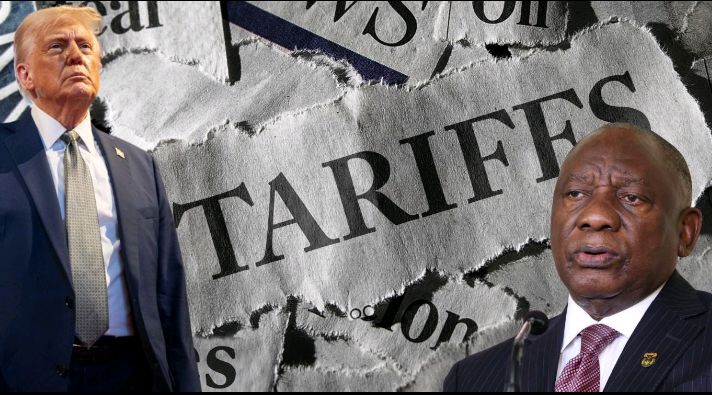
Today marks the implementation of 30 percent tariffs imposed by the United States on goods imported from South Africa. This action by the Trump administration is part of a broader strategy to address what it considers trade deficits with countries around the world.
The tariffs will affect approximately seven and a half percent of South African products exported to the US. While certain commodities like copper, pharmaceuticals, semiconductors, critical minerals, stainless steel scrap, and energy products are exempt, there are significant concerns about the potential impact on the automobile and agriculture sectors. Experts estimate that the imposition of these tariffs, along with a general increase in tariffs globally, could negatively affect South Africa’s economic growth by around two-tenths of one percent.
The South African government has expressed its disappointment with the tariffs, especially after months of diplomatic efforts aimed at improving trade relations with the US. They emphasize that South African exports do not compete with US producers but rather complement them by providing crucial industrial inputs and counter-seasonal agricultural goods. The government has outlined urgent interventions, including setting up a support desk to assist exporters and continuing to engage with the Trump administration to seek a resolution.
These tariffs come amidst strained relations between Washington and Pretoria, with disagreements over a range of domestic and international policies. Despite the challenges, South Africa maintains that it poses no trade threat to the US economy or national security and aims to continue negotiations to reach a mutually beneficial trade deal. The South African government is also actively exploring alternative markets to diversify its trade relations beyond the US, including strengthening ties across Africa, Asia, Europe, and the Middle East.