
G20 Summit in Johannesburg: A Triumph for Africa Amidst US Tensions
Natalie Nyathi
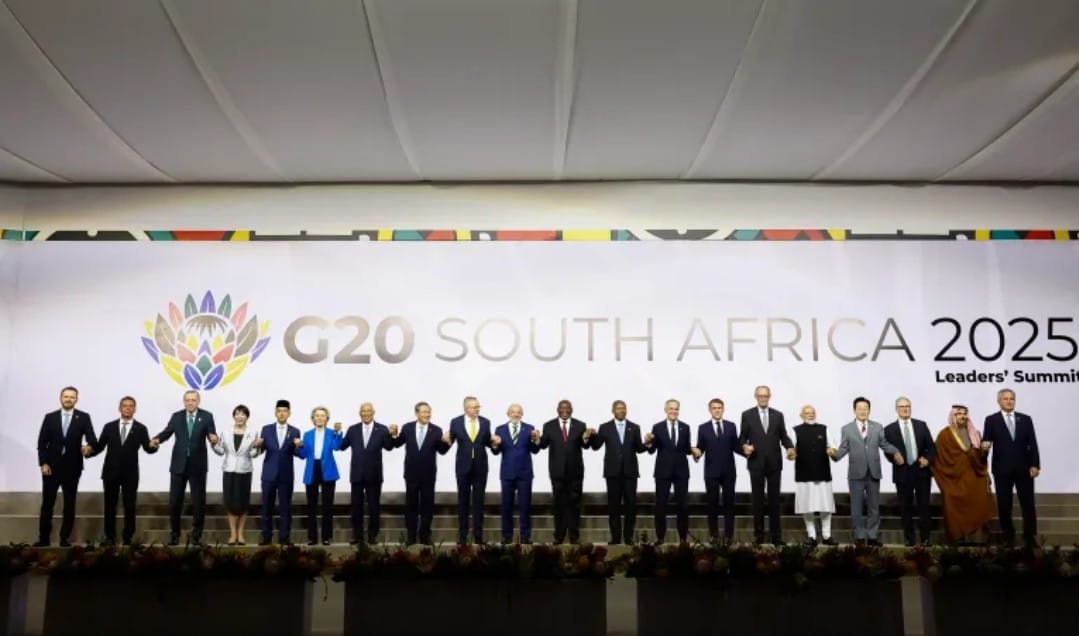
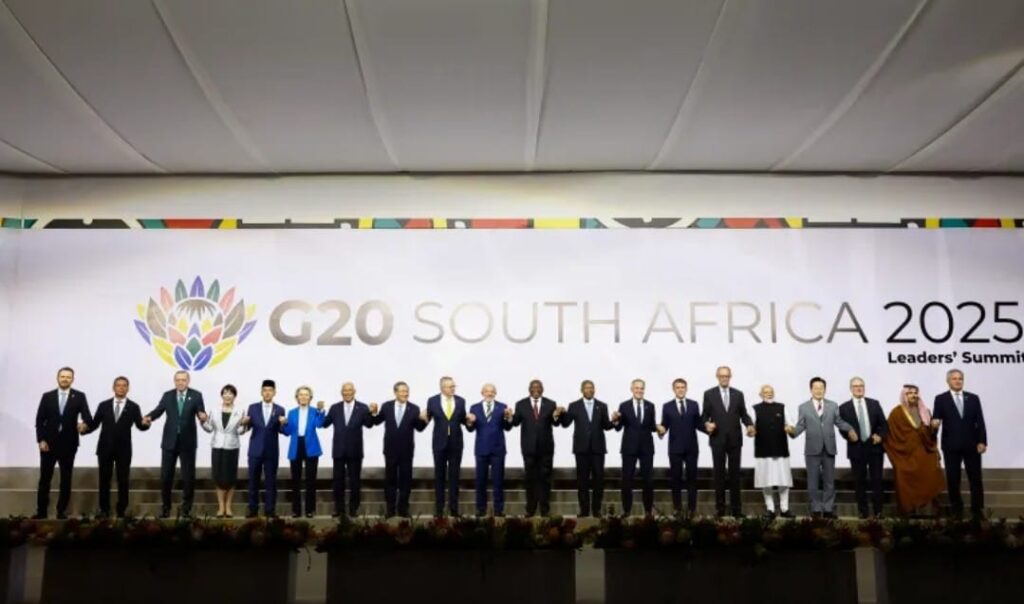
The 2025 G20 Summit in Johannesburg has been called a success by African leaders and participants, despite some tension with the United States. This summit, which wrapped up on November 23, 2025, is unique as it was the first G20 meeting held in Africa, highlighting important issues facing the continent. However, the atmosphere was affected by a growing rift between South Africa and the US.
President Cyril Ramaphosa received praise for focusing the summit on African growth and development. He stressed that putting Africa’s needs into the G20 discussions could help strengthen connections between the continent and the rest of the world. Throughout the two days, Ramaphosa made sure that African issues were a main part of the talks. Minister in the Presidency, Khumbudzo Ntshavheni, pointed out that the word “Africa” appeared 80 times in the final declaration, showing its importance.
The summit ended with a declaration that included several commitments to tackle key global challenges. This included plans for debt relief for developing nations, acknowledging the heavy debt burdens facing many countries. The G20 pledged to look into ways to ease this burden. The declaration also highlighted the need for peaceful resolutions to conflicts and a commitment to ending ongoing disputes. There was emphasis on climate resilience and energy transition, including plans for climate finance and support for smallholder farmers.
Despite the successful summit, tensions with the United States were notable. The US government, led by President Trump, raised concerns about land reform policies in South Africa and allegations of mistreatment of white farmers. These issues, which South African officials deny, caused diplomatic conflicts, including the absence of top US leaders from the summit.
In response, the South African Presidency warned the US against excluding South Africa from the 2026 G20 Summit. Minister Ntshavheni reinforced that South Africa, as part of the G20 Troika with the US and the UK, is expected to work collaboratively. She stressed that no country should be excluded, stating, “You cannot dilute the participation of others. If they do not want us to participate, we will have to tell the world that they do not want us to participate. The G20 is multilateral and not unilateral.”
Even with the challenges in relations with the US, the Johannesburg G20 Summit allowed Africa to show its growing influence on the global stage. The focus on African needs, along with commitments to debt relief and sustainable development, highlighted the continent’s role in global discussions.
Professor Garth le Pere from the Mapungubwe Institute for Strategic Reflection, who spoke with ENCA news, noted, “it is now up to world leaders to turn the commitments from the declaration into real actions. The success of the Johannesburg summit will be judged by how well its promises are kept and how it helps build a fairer future for Africa and the world”.