
Inquiry Begins into Joburg Prosecutions Boss Amidst Allegations of Misconduct
Natalie Nyathi
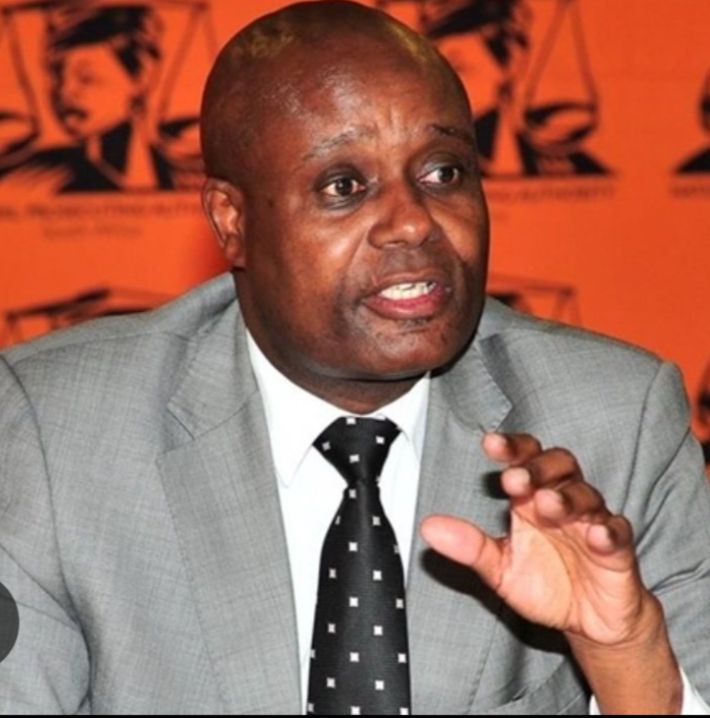
The inquiry into Advocate Andrew Chauke’s fitness to hold office as the Director of Public Prosecutions (DPP) for Johannesburg is set to kick off today in Pretoria. This investigation follows Chauke’s suspension by President Cyril Ramaphosa in July 2025 due to serious allegations of misuse of power and interference in politically sensitive cases.
Andrew Chauke has worked as the South Gauteng DPP since September 2011. Over the years, he has faced claims of blocking justice, especially in cases involving powerful individuals. Important issues that the inquiry will look at include allegations that Chauke dropped murder charges against Richard Mdluli, the former head of Crime Intelligence. Mdluli was involved in the 1999 murder of Oupa Ramogibe, but the charges against him were dropped, and he was later found guilty of other crimes like kidnapping and assault.
The inquiry will also focus on Chauke’s decision to go after Johan Booysen, the former head of the KwaZulu-Natal Hawks, for racketeering, even though there were claims of not enough evidence. The charges against Booysen were later dropped, and he argued that they were politically motivated. Another issue is the recent dropping of charges against former minister Zizi Kodwa based on undisclosed reasons.
The inquiry is led by retired Constitutional Court Justice Bess Nkabinde, with support from Advocate Elizabeth Baloyi-Mere and attorney Thenjiwe Vilakazi. This process is expected to last for four months and aims to be fair and just. At the end, Justice Nkabinde will provide her findings and recommendations to President Ramaphosa.
Shamila Batohi, the National Director of Public Prosecutions (NDPP), is expected to be the first to testify. Batohi, who has been in office since February 2019, asked for disciplinary action against Chauke almost two years before his suspension. Her focus on honesty and integrity makes this inquiry a key test for the NPA’s commitment to transparency.
The results of this inquiry could have a big impact on the National Prosecuting Authority. If Chauke is found unfit to continue, it may lead to a new appointment at a time when the NPA is under pressure to deal with corruption and state capture cases. The findings from this inquiry will likely clarify Chauke’s future and the NPA’s commitment to accountability.