
Ramaphosa Responds to US 30% Tariff Hike and Plans for New Export Markets
Natalie Nyathi
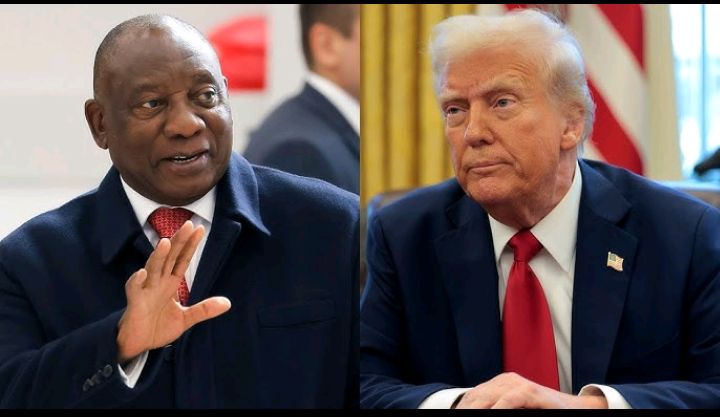
President Cyril Ramaphosa is urging South Africa to adapt quickly to the new 30% tariffs imposed by the United States on South African imports. These tariffs, announced by President Donald Trump, are part of a strategy to reshape global trade and could significantly impact South Africa’s economy.
The new tariffs are set to take effect soon and are expected to affect key sectors in South Africa, such as agriculture, automotive, and textiles. These industries could lose around 30,000 jobs, adding to the country’s already high unemployment rate of over 30%. For example, Jendamark Automation, a company based in Gqeberha, reported losing R750 million in contracts because of these tariffs.
In his weekly newsletter, Ramaphosa emphasized the urgency of adapting to this challenging trade environment. He stated, “Our foremost priority is protecting our export industries.” The government is engaging with the US to preserve market access for South African products, while also working to diversify export markets, especially through increased trade within Africa.
To tackle the challenges posed by the tariffs, Ramaphosa announced plans to seek new markets in Africa and Asia. The government has established an Export Support Desk to assist producers and exporters in exploring alternative markets. This support will help businesses find new opportunities beyond the US, which is South Africa’s second-largest trading partner after China.
Ramaphosa also highlighted the importance of strengthening regional trade ties. He believes that expanding trade within Africa can help reduce dependence on any single market, making the economy more resilient. The African Continental Free Trade Area is a key part of this strategy, as it aims to boost trade among African countries.
In light of these developments, political analyst Tau noted that while the tariffs present significant challenges, they also offer an opportunity for South Africa to rethink its trade strategies. He remarked, “This situation pushes us to be more innovative and look for partnerships in different regions. It’s a chance to strengthen our position in the global market.” Tau believes that the government’s focus on diversifying export markets is crucial. He pointed out that South Africa has a wealth of resources and capabilities that can be leveraged to attract new buyers. “By exploring new markets, we can not only mitigate the impact of these tariffs but also open doors for future growth,” he added.