
Tensions Intensify Between South Africa and the U.S. Over G20 Summit Participation
Natalie Nyathi
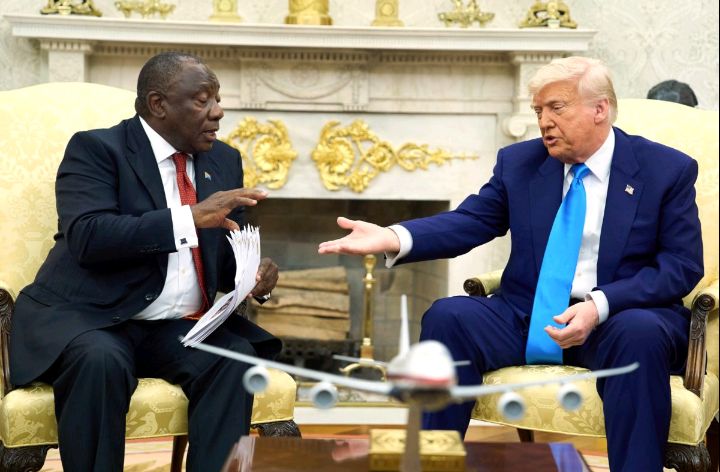
Tensions between South Africa and the United States have gotten worse as the G20 summit in Johannesburg approaches. The issue is about South Africa’s refusal to let a junior U.S. diplomat receive the G20 presidency, which has led to strong reactions from the White House.
The G20 is a major global meeting that brings together leaders from both rich and developing countries to talk about important issues like the economy, climate change, and social development. Each year, the presidency moves from one country to another, and in 2025, South Africa is in charge. At the end of the summit, the current president usually hands over the presidency to the next country, which for 2026 is the United States.
Before the summit, the U.S. embassy asked if Marc Dillard, the acting ambassador, could take part in the handover ceremony. This request came very late and seemed to be an attempt to keep some U.S. presence at the summit despite President Donald Trump saying that no U.S. officials would attend.
During a press conference with European leaders, Ramaphosa confirmed that he had received word from the U.S. about wanting to join in “in one shape, form or other.” However, he pointed out the challenges and timing of their request, saying, “This comes really at the late hour before the summit begins,” which showed he was unsure of how practical it would be for the U.S. to participate.
Ramaphosa has firmly stated that he will not hand over the G20 presidency to a junior official. His spokesperson, Vincent Magwenya, made it clear on social media that “the President will not hand over to a Charge d’Affaires.” This statement shows that South Africa cares about its role in global affairs and will not accept what it sees as disrespect.
Ramaphosa also mentioned that the U.S. has a right to be involved as a member of the G20. He said it would be disrespectful to transfer the presidency to someone who is not a senior diplomat. He added, “We will not be bullied,” which shows South Africa’s determination to stand strong during the summit.
The White House responded quickly to Ramaphosa’s comments. Press Secretary Karoline Leavitt criticized him, saying he was “running his mouth” with false claims about U.S. participation. She insisted that while a small delegation would attend the handover ceremony, the U.S. would not take part in any discussions at the summit.
Leavitt’s remarks show growing frustration from the U.S. side, as officials feel that South Africa is misrepresenting their stance on the issue.
The absence of the U.S. from important discussions could have a big effect on key issues up for debate at the summit. South Africa wants to address challenges like climate change, economic inequality, and disaster relief for developing countries.
As the G20 summit approaches, the situation between South Africa and the U.S. remains tense. Ramaphosa’s decision to not accept the U.S. request for a junior diplomat to receive the G20 presidency shows a commitment to keeping South Africa’s dignity and authority. This situation may set important examples for how global talks are conducted and how countries view each other’s roles in international meetings. What happens at this summit could influence future relations between South Africa and the U.S. and impact broader diplomatic interactions around the world.