
Venezuela in Crisis: Invasion, Intervention, or International Law Violation?
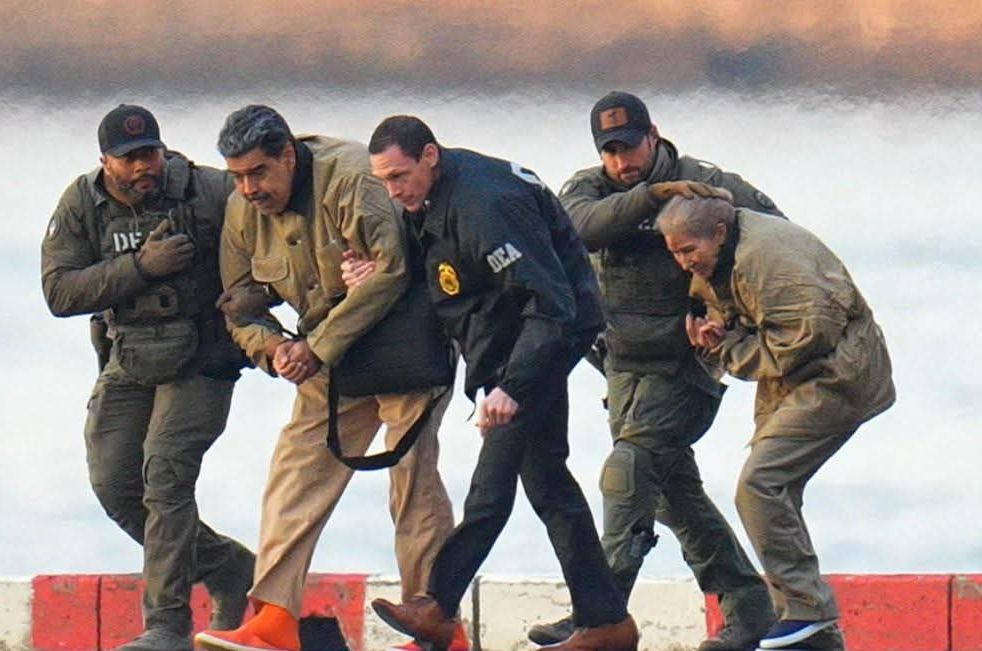
The recent capture of Venezuelan President Nicolás Maduro by the United States has ignited a global firestorm, raising critical questions about international law, state sovereignty, and the role of foreign intervention. South Africa has vocally condemned the U.S. action, describing it as an “illegal invasion” and a violation of the UN Charter. But is it? What are the legal and ethical implications of this event, and what might the future hold for Venezuela and its relationship with the international community?
International Relations Minister Ronald Lamola has asserted that South Africa “won’t bite its tongue” when it comes to defending the principles of international law and the sovereignty of nations. South Africa views the U.S. actions as a dangerous precedent that undermines the stability of the international order. The Economic Freedom Fighters (EFF) have echoed these sentiments, calling for Maduro’s immediate release and condemning what they see as U.S. interference in Venezuela’s internal affairs.
The UN Charter generally prohibits the use of force against the territorial integrity or political independence of any state. However, there are exceptions, such as intervention authorized by the UN Security Council or in cases of self-defense. The U.S. has yet to formally state the legal justification for its actions, leading to widespread international condemnation.
What do you think? Does the U.S. action constitute a violation of international law?
- Yes
- No
- Unsure
– (comment your answer in the comment section below)
Venezuela holds the world’s largest proven crude oil reserves. U.S. sanctions have significantly impacted Venezuela’s oil production, which has fallen from roughly 3 million barrels per day in the early 2000s to around 900,000 barrels per day in 2025. Some analysts believe the U.S. may be interested in gaining greater control over Venezuelan oil resources, particularly its heavy crude, which is well-suited for U.S. refineries.
Quick Poll: Do you believe access to Venezuelan oil is a primary motivator for the U.S. intervention?
- Yes
- No
- Possibly
The U.S. action has the potential to destabilize the region and further strain international relations. It could also impact global oil markets, depending on how the situation unfolds. Many countries have called for a coordinated global response, but divisions within the international community could hinder effective action.
What’s Next?
The future of Venezuela remains uncertain. Possible scenarios include:
- A U.S.-backed transitional government: This could lead to a lifting of sanctions and increased U.S. influence in the region.
- Continued instability and conflict: This could further devastate the Venezuelan economy and lead to a humanitarian crisis.
- International mediation: A negotiated solution involving regional and international actors could lead to a more stable and democratic Venezuela.
What outcome do you think is most likely?
- U.S. backed transitional government
- Continued instability and conflict
- International Mediation
- Other (Please specify in the comments)
Call to Action/Discussion:
What do you think should happen next? Share your thoughts and opinions in the comments below. Let’s discuss the implications of this event and what it means for the future of international relations.